Professional HazMat Training Platform

Gas Meter Simulator

Zero equipment. Real atmospheric monitoring skills.
The professional training platform built for HazMat technicians, firefighters, and first responders.

13
Gas Sensors
24+
Scenarios
iOS 17
Required

Train Like
It's Real

Gas Meter Simulator brings professional-grade atmospheric monitoring training to any location — without the cost of physical simulators or the risk of live agent exposure.

Built for HazMat teams, fire departments, emergency management agencies, and industrial safety programs. Devices connect directly over Bluetooth or Wi-Fi — no internet, no cloud, no infrastructure required.

Every reading, every alarm, every sensor response is modeled on real-world gas behavior including vapor density, IDLH thresholds, catalytic bead limitations, PID ionization potentials, and cross-sensor interference patterns.

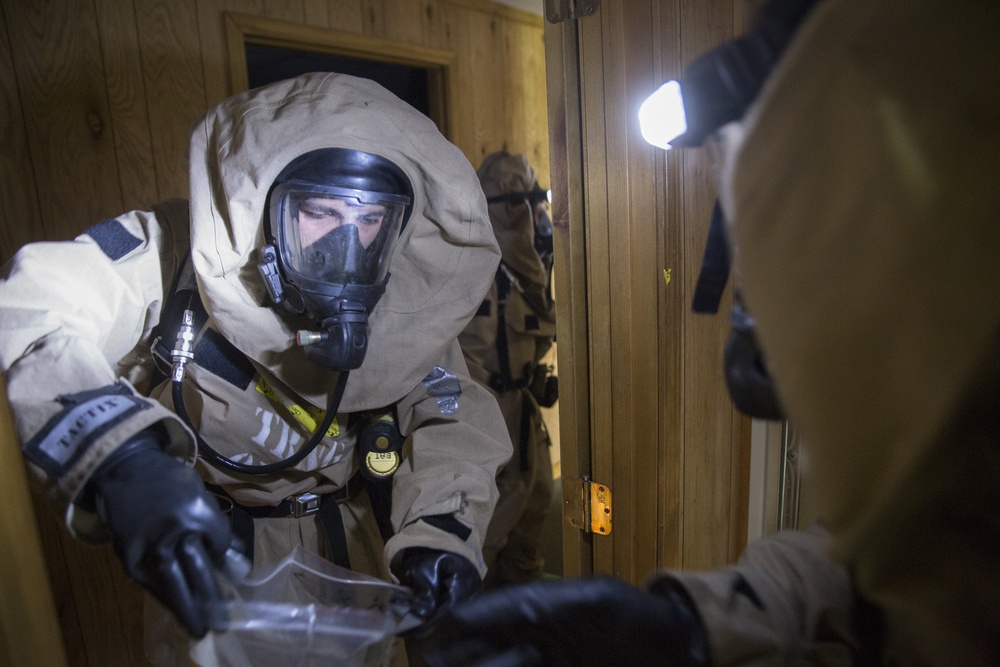
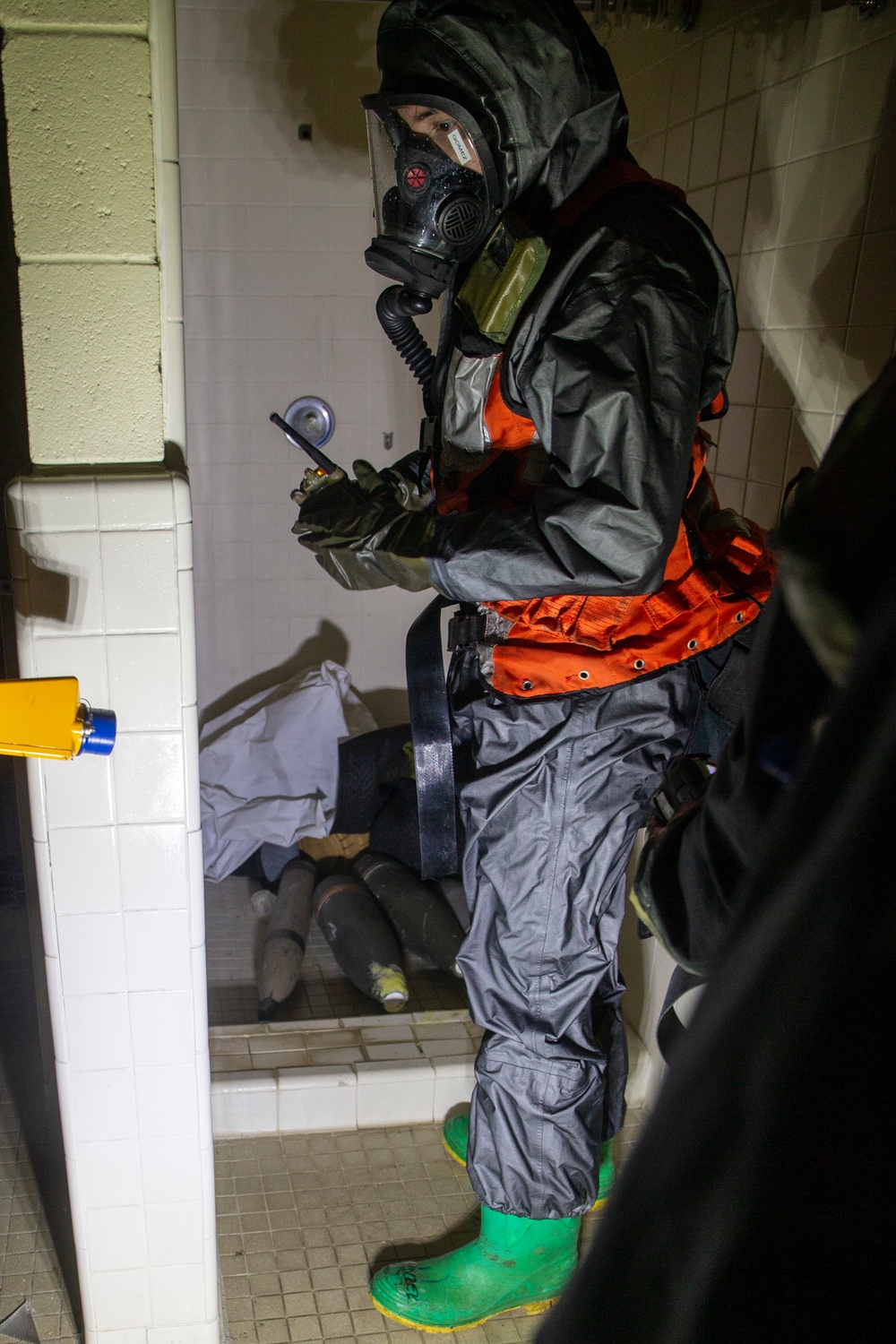
CBRN Marines rehearsing hazardous biological lab scenario
Capabilities

Built For
The Field

📡
Peer-to-Peer Sync

Controller and sampler devices connect directly over MultipeerConnectivity — no internet, no router, no infrastructure. Works anywhere your team trains.

⚗️
13-Sensor Simulation

O₂, LEL, CO, H₂S, VOC, SO₂, NH₃, Cl₂, HCN, NO₂, PH₃, CO₂, and O₃. Every sensor modeled with real ranges, alarm thresholds, and cross-sensitivity behavior.

🎓
Controller Talking Points

Every built-in scenario ships with detailed controller briefing notes covering pattern recognition, cross-sensor behavior, PPE selection, and tactical decisions.

🌫️
Vapor Density Modeling

Readings adjust based on trainee sampling height. Gases heavier than air read higher at floor level; lighter gases at ceiling level — teaching real metering technique.

📚
Integrated DOT Library

Full hazmat reference built in: ERG guide numbers, PPE levels (A through C), NIOSH REL, OSHA PEL, ACGIH TLV, IDLH, CAS numbers, symptoms, and target organs.

🚨
Full Alarm System

Realistic LOW, HIGH, STEL, and TWA alarms with visual and audible response. Instructor can silence alarms remotely — just like the real device.

🔋
Realistic Device UI

Authentic LCD interface with Y/+, MODE, and N/− button navigation. Trainees practice cycling through readings, peak, min, STEL, TWA, and programming menus.

📊
Data Logging Simulation

Simulates datalog active/inactive status and interval settings. Trainees learn to verify logging is active before entering a hazard area — a critical field skill.

🏃
Walking Speed Detection

CoreMotion integration detects trainee movement speed, feeding back to the instructor in real time. Reinforce proper slow metering technique in the hot zone.

Train Solo.
No Partner
Needed.

Single-device mode — sensor readings animate automatically while you follow along and answer knowledge checks. No second phone, no setup, no partner required.

40+Guided Scenarios
10Substance Groups
Variants Each
  1. Pick a scenario group — 10 substances covering the most common field encounters.
  2. Watch readings animate live — values ramp and hold exactly as a real instrument would respond.
  3. Answer knowledge checks — the scenario pauses with a question; tap to reveal the full explanation.
  4. Repeat with variants — each group has 4 angles: toxicology, calibration, vapor density, cross-sensor patterns.
Scenario Groups
💨 CO Incident 🔥 Natural Gas ⬇️ O₂ Deficiency 🛢️ Propane Leak ⛽ Fuel Vapor ☣️ H₂S Signature ⚗️ Hydrogen Leak 🧊 Ammonia Release 💀 HCN Release 🔥 Fire Atmosphere

Real Responders.
Real Conditions.

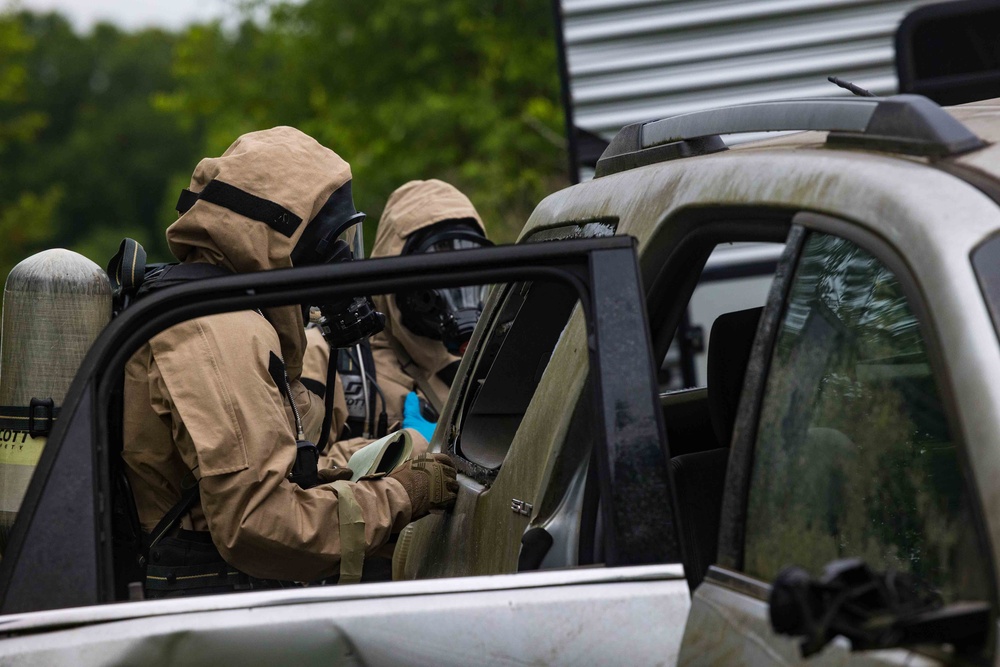
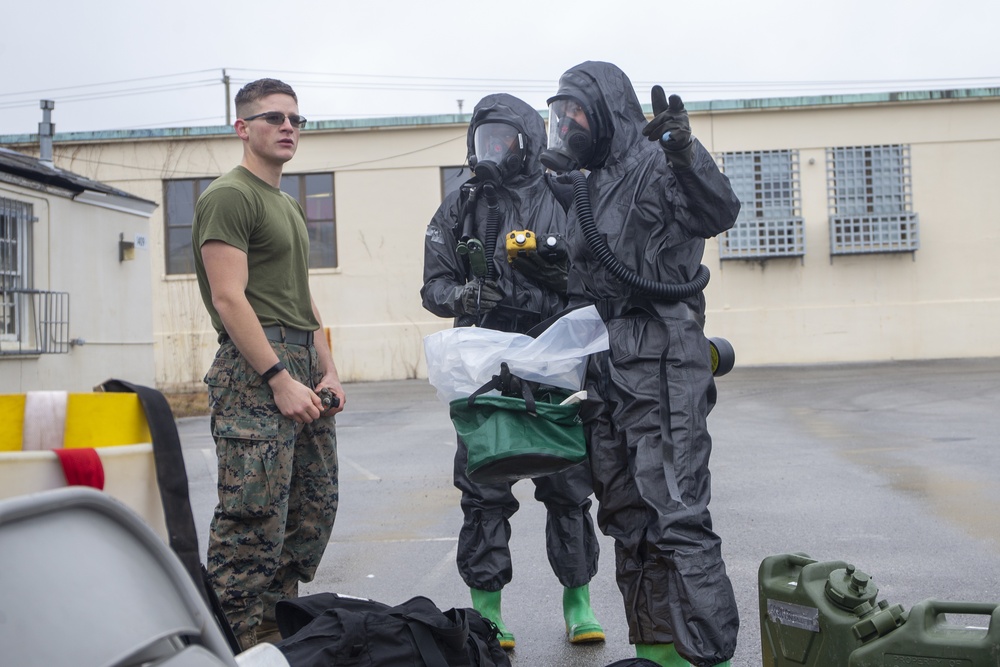
CBRN Marine identifies air toxicity levels during biological lab scenario
Air Toxicity Detection — Camp Lejeune, NC
CBRN Marine searches for hazardous materials during simulated chemical lab training
HazMat Recon — Pilottown, Louisiana
CBRN defense specialist prepares to receive a chemical sample
Chemical Sampling — CBRN Specialist Training
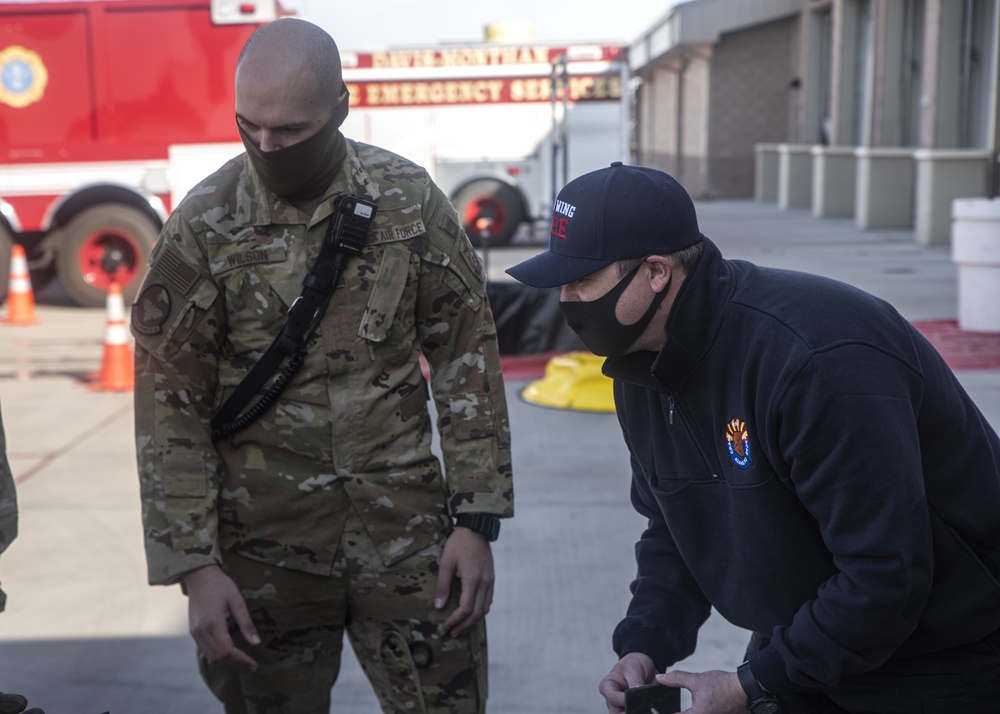
Airman listens to hazmat training brief at Davis-Monthan AFB
Pre-Entry Brief — Davis-Monthan AFB
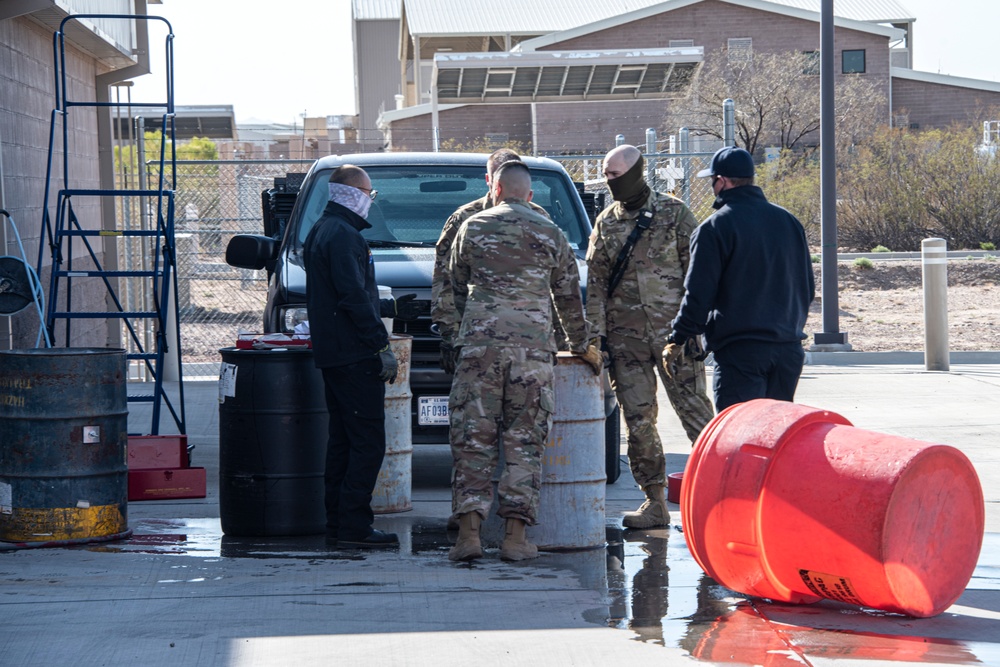
Airmen go over hazardous material tactics and procedures
HazMat Tactics — 162nd & 355th Wings
U.S. Marines rehearse hazardous biological lab scenario
Biological Lab Scenario — 2d Marine Division
CBRN Marine searches for hazardous materials during recon training
Atmospheric Recon — 4th Marine Logistics Group
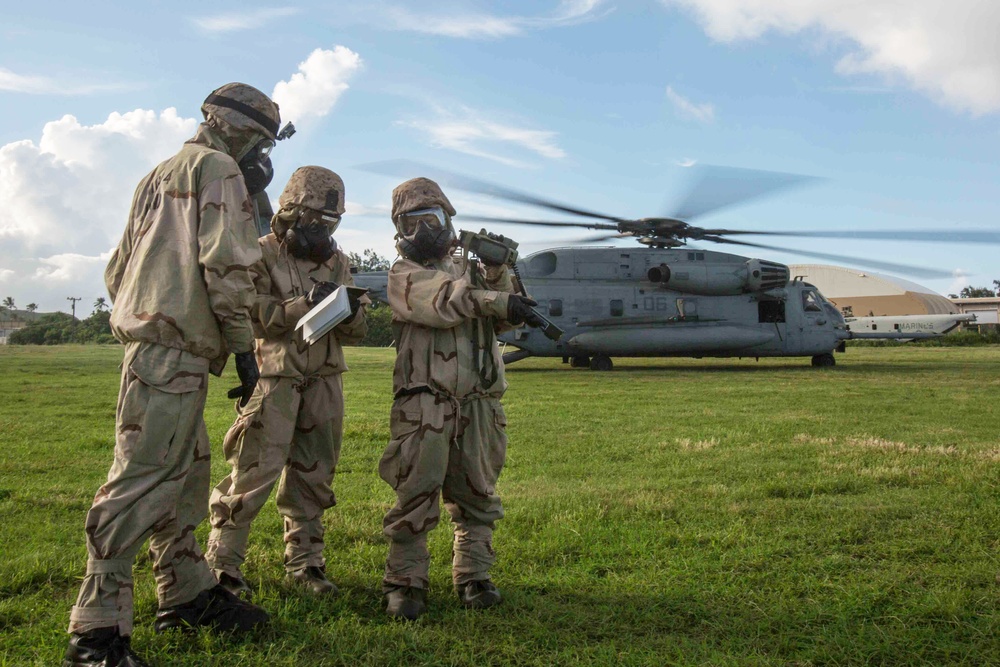
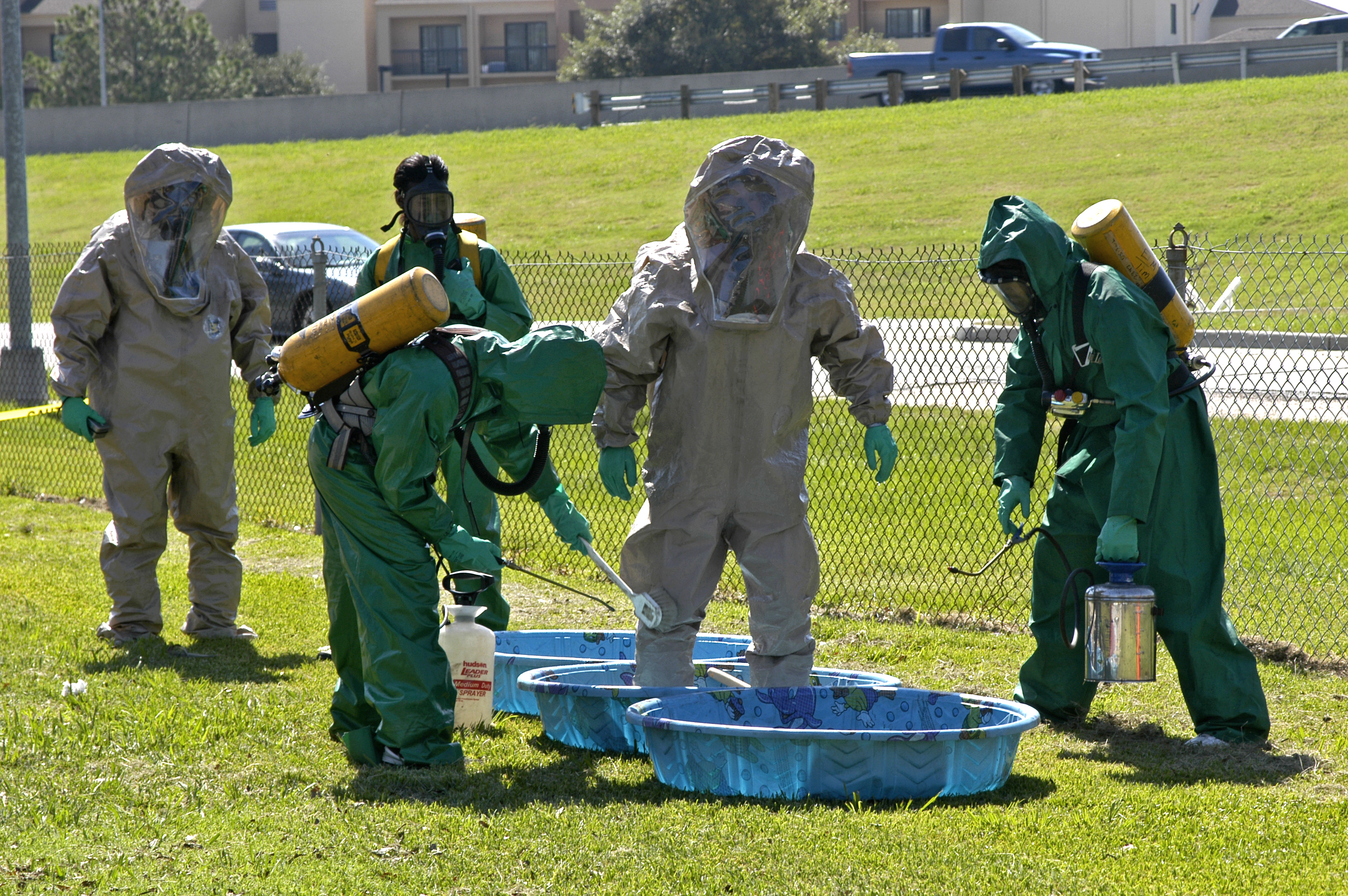
CBRN Marines conduct scenario-based chemical sampling and radiation mapping
CBRN Hazard Course — Perry, Georgia
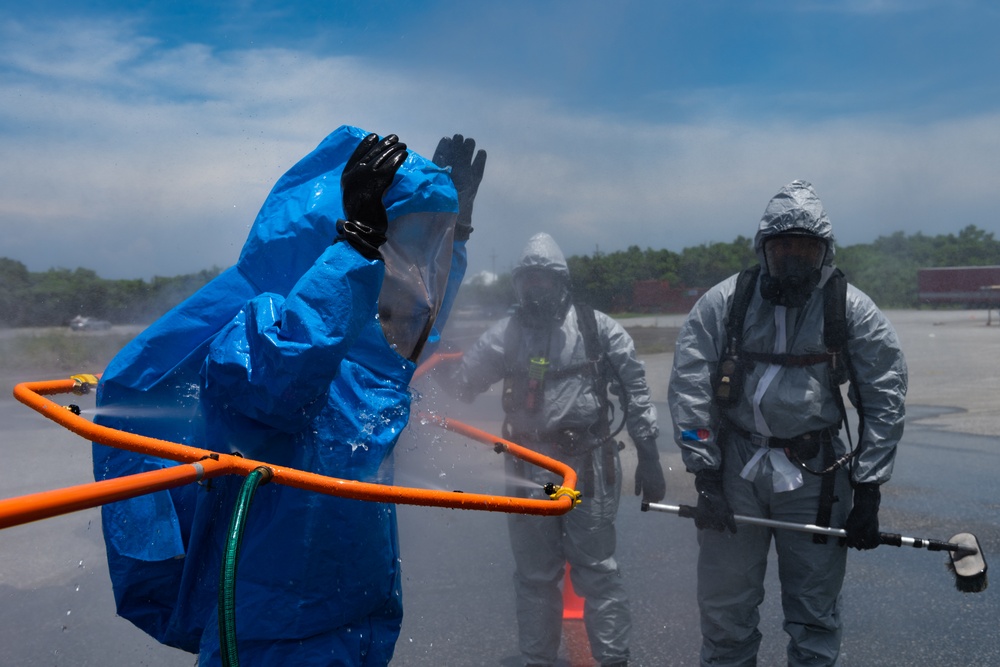
U.S. Air Force firefighter goes through decontamination station
Decontamination Drill — Kadena AB, Japan
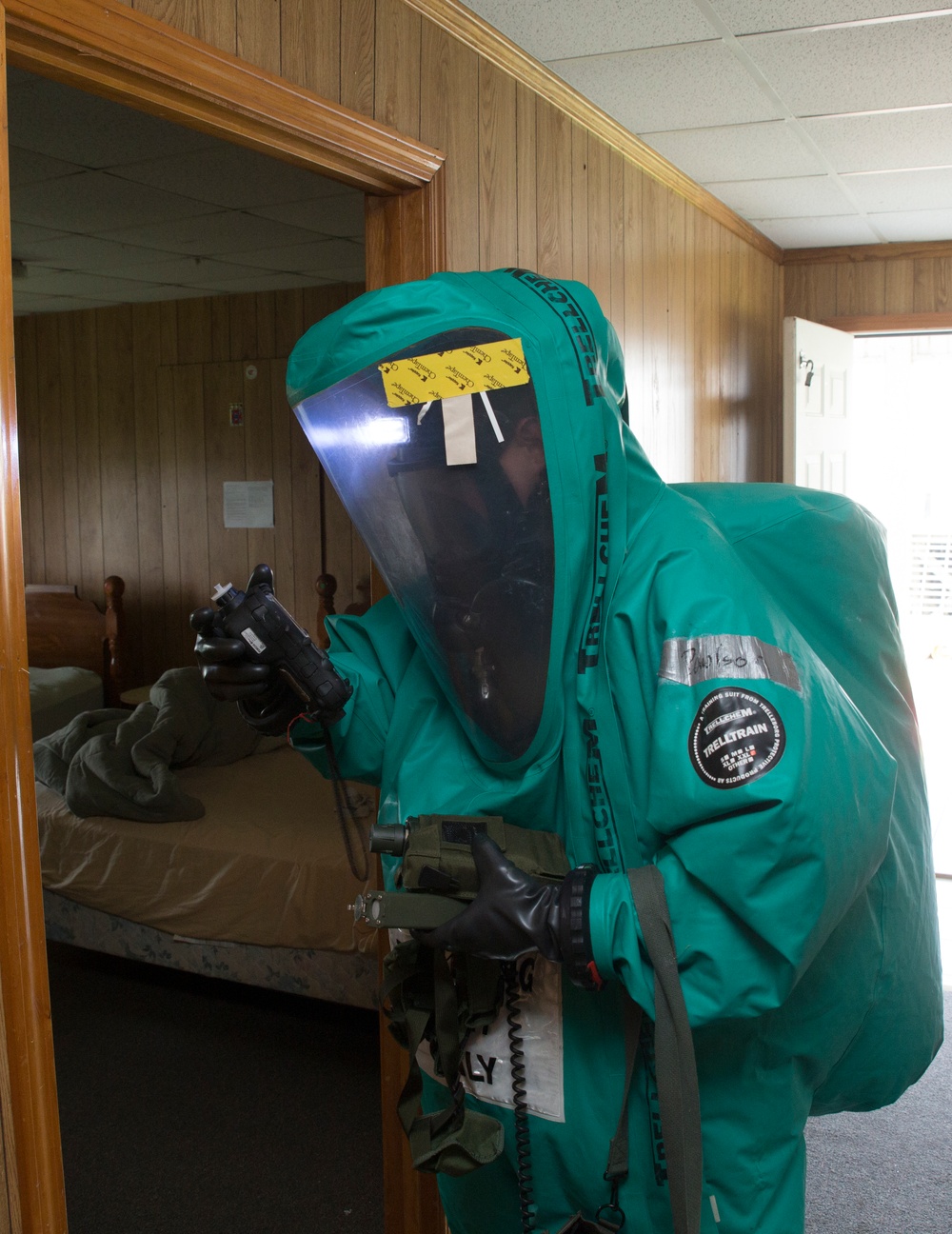
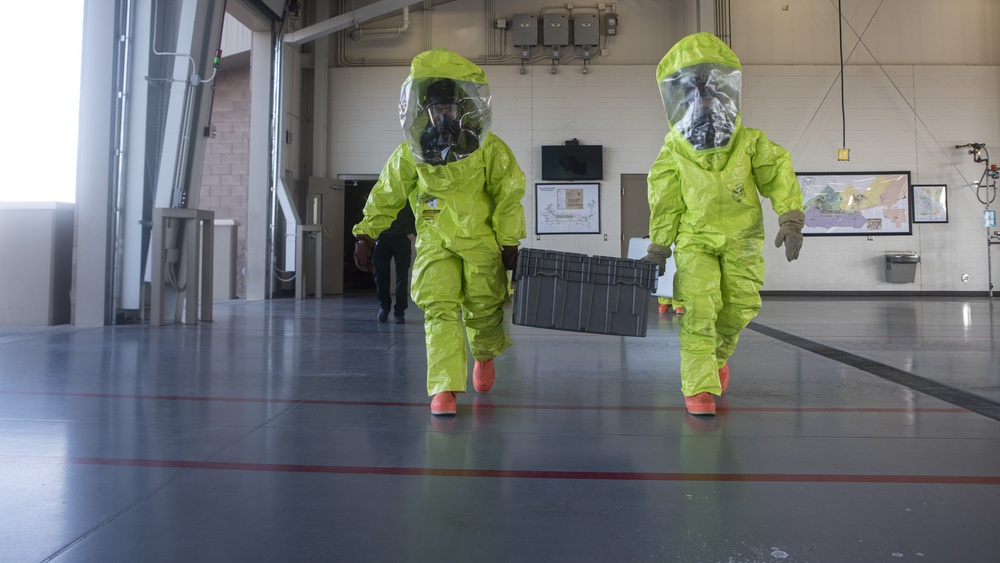
Airmen carry equipment in hazardous material suits during training
Equipment Operations — HAZMAT Suit Training
CBRN Marines conduct radiation detection with AN-PDR 77 device
Radiation Detection — Boondocker Training Area
EMT team in hazmat certification training with protective suits
HazMat Certification — Baton Rouge, Louisiana
Architecture

One Controller.
Multiple Samplers.

Each training session pairs a controller device with one or more sampler devices over a direct wireless connection. No servers, no accounts, no internet.

Controller

Command & Control

The controller phone is the training control panel. Select scenarios, dial in specific gas concentrations, trigger alarms, power cycle the instrument, and monitor sampler movement in real time.

  • Select from 24+ pre-built training scenarios
  • Manually adjust any of 13 sensor readings
  • Connect to multiple sampler devices simultaneously
  • View DOT hazmat library for each active gas
  • Monitor sampler metering height and walking speed
  • Remotely silence alarm conditions
  • Simulate power on / power off boot sequences
  • Read scenario-specific controller talking points
Sampler

Eyes On The Meter

The sampler phone becomes the instrument. Navigate real device menus, respond to alarms, interpret multi-sensor patterns, and report findings — exactly as they would with a physical meter in their hands.

  • Authentic LCD display with live sensor readings
  • Y/+, MODE, and N/− button navigation
  • Cycle through readings, peak, min, STEL, and TWA
  • Access programming menus (calibration, alarms, datalog)
  • Visual and audible alarm response at all levels
  • Report metering level (low, mid, ceiling)
  • Battery level and datalog status monitoring
  • Boot sequence and power-off simulation

13 Sensors.
Real Data.

All 13 sensors are modeled with authentic ranges, alarm defaults, vapor density, NIOSH/OSHA/ACGIH exposure limits, and cross-sensor interference behavior — including the O₃ ozone sensor added in v2.2.

O₂ — %vol LEL — %LEL CO — ppm H₂S — ppm VOC — ppm SO₂ — ppm NH₃ — ppm Cl₂ — ppm HCN — ppm NO₂ — ppm PH₃ — ppm CO₂ — ppm O₃ — ppm
Training Library

Real-World
Scenarios

Every scenario is built on actual field conditions with authentic sensor patterns, alarm sequences, and tactical decision points.

🌬️
Fresh Air

Establish known-good baseline before entry. Confirms zero calibration — any non-zero reading in clean air means the instrument needs calibration.

⬇️
O₂ Deficiency

Simple asphyxiant atmosphere. LEL sensor becomes unreliable below 16% O₂ — catalytic bead requires oxygen to function.

💨
CO Incident

Carbon monoxide alone with flat LEL and flat VOC. PID does not respond to CO (IP 14.01 eV) — identification by sensor elimination.

🔥
Natural Gas

LEL-only pattern with zero PID response — methane IP 12.61 eV is above the 10.6 eV lamp. Ignition source protocol and evacuation triggers.

⚗️
Hydrogen Leak

H₂ cross-reads on the CO electrochemical sensor (~3:1 ratio). PID flat. Lighter than air, 4–75% flammability range — ceiling accumulation.

☣️
H₂S Signature

H₂S triggers CO, HCN, LEL, and VOC simultaneously — the classic cross-sensitivity fingerprint. Olfactory fatigue at 150 ppm.

💀
HCN Release

Hydrogen cyanide with CO cross-response. PID does not respond (IP 13.6 eV). HCN is produced in structure fires — concurrent cyanide and CO poisoning risk.

☢️
Phosphine PH₃

PH₃ triggers CO, HCN, LEL, and PID simultaneously (IP 9.87 eV). Common in fumigated cargo, grain silos, and clandestine labs. IDLH 50 ppm.

Fuel Vapor

LEL and VOC reading in parallel — petroleum fuel signature. No CO or HCN means vapor only, not combustion products. Eliminate ignition sources.

🧪
Solvent / BTEX

Very high VOC with modest LEL — signature of aromatic solvents. Benzene correction factor 0.53 on a 10.6 eV PID. Confirmed carcinogen at any level.

🔥
Fire Atmosphere

O₂ down, CO high, HCN elevated, LEL and VOC both reading. Active fire or overhaul atmosphere — SCBA mandatory, re-ignition risk remains.

🚨
Man Down

All sensors in alarm. CO 450 ppm, HCN 28 ppm, O₂ at 11.5%, LEL at 35%. Full IDLH atmosphere — rescue team protocol, SCBA mandatory, no single entry.

🧨
Red P Lab

Red phosphorus clandestine lab. PH₃ cross-reads on CO, HCN, LEL, and PID simultaneously. Heavy solvent load. Level B minimum. DEA/HAZWOPER rules apply.

🧪
Birch / One-Pot Lab

Anhydrous ammonia + lithium reaction. H₂ explosion hazard (4–75% flammability). CO reading is false positive from NH₃/H₂ cross-sensitivity — no real CO.

⚗️
Lab HCl Gassing

High HCN reading with flat LEL and flat VOC — HCl cross-reacts with the HCN electrochemical sensor. Gassing step in clandestine synthesis, not cyanide.

🏚️
Dormant Lab

Residual solvent off-gassing after the cook ends. Elevated PID with clear CO/HCN — a persistent PID reading in a building with no source is a primary clandestine lab indicator.

Ozone Release

O₃ alarm with Cl₂ cross-response artifact (~30–50%). PID does not respond (O₃ IP 12.52 eV). Common from UV curing ovens, corona discharge, ozone generators.

☁️
Chlorine Release

Cl₂ at 3.50 ppm with SO₂ cross-response artifact. PID does not respond (IP 11.48 eV). Vapor density 2.5× air — sample low. IDLH 10 ppm.

🧊
Ammonia Release

NH₃ with CO false positive from cross-sensitivity (~1:5–10 ratio). PID responds weakly. Lighter than air — sample ceiling. IDLH 300 ppm.

🛢️
Propane Leak

LEL-only with zero PID — propane IP 11.07 eV is above the lamp. Heavier than air — accumulates at grade level, in basements and floor drains.

🔋
Sulfuric Acid

SO₂ vapor from fuming acid. PID does not respond (SO₂ IP 12.32 eV). LEL zero — not flammable. Common in battery rooms, electroplating, industrial processing.

Argon Release

Simple asphyxiant, O₂-only depression. Heavier than air (VD 1.38) — pools at floor level. Common welding shielding gas. Sample low; don't trust LEL below 16% O₂.

🎈
Helium Release

Simple asphyxiant, O₂-only depression. Far lighter than air (VD 0.14) — accumulates at ceiling. Hospital MRI quench events. Sample high — opposite of argon.

🫧
CO₂ Confined Space

CO₂ displacing O₂ proportionally — each 1% CO₂ rise drops O₂ ~1%. Heavier than air. Common in fermentation tanks, dry ice areas, suppression discharges. IDLH 40,000 ppm.
Available Now

Ready To Train?

Download Gas Meter Simulator on the App Store and you're ready to run a professional training session — anywhere, no equipment required.

Download on the App Store
Read the Full How-To Guide →