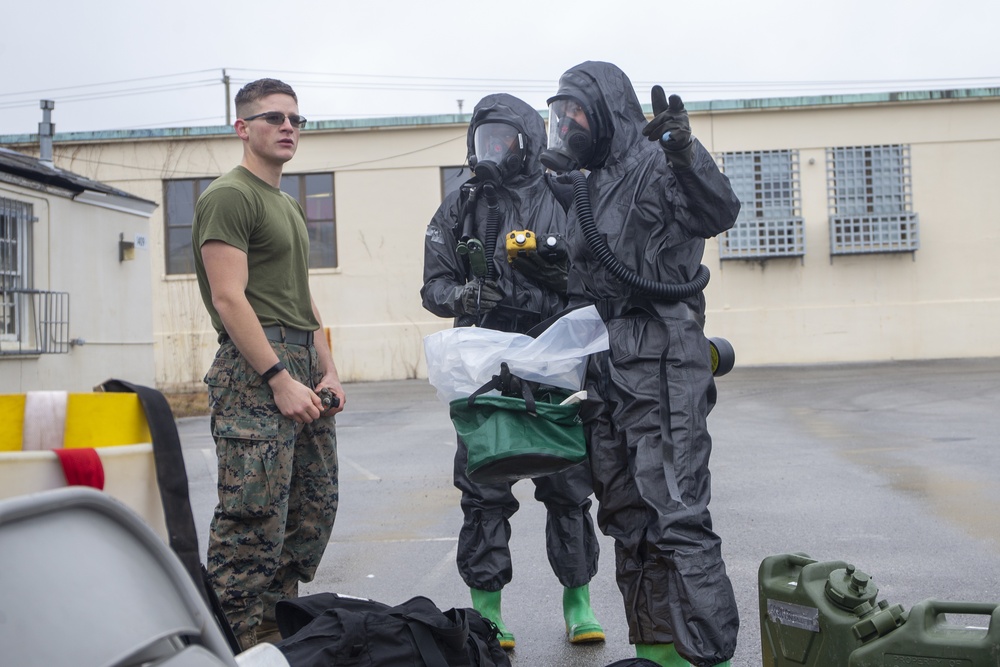
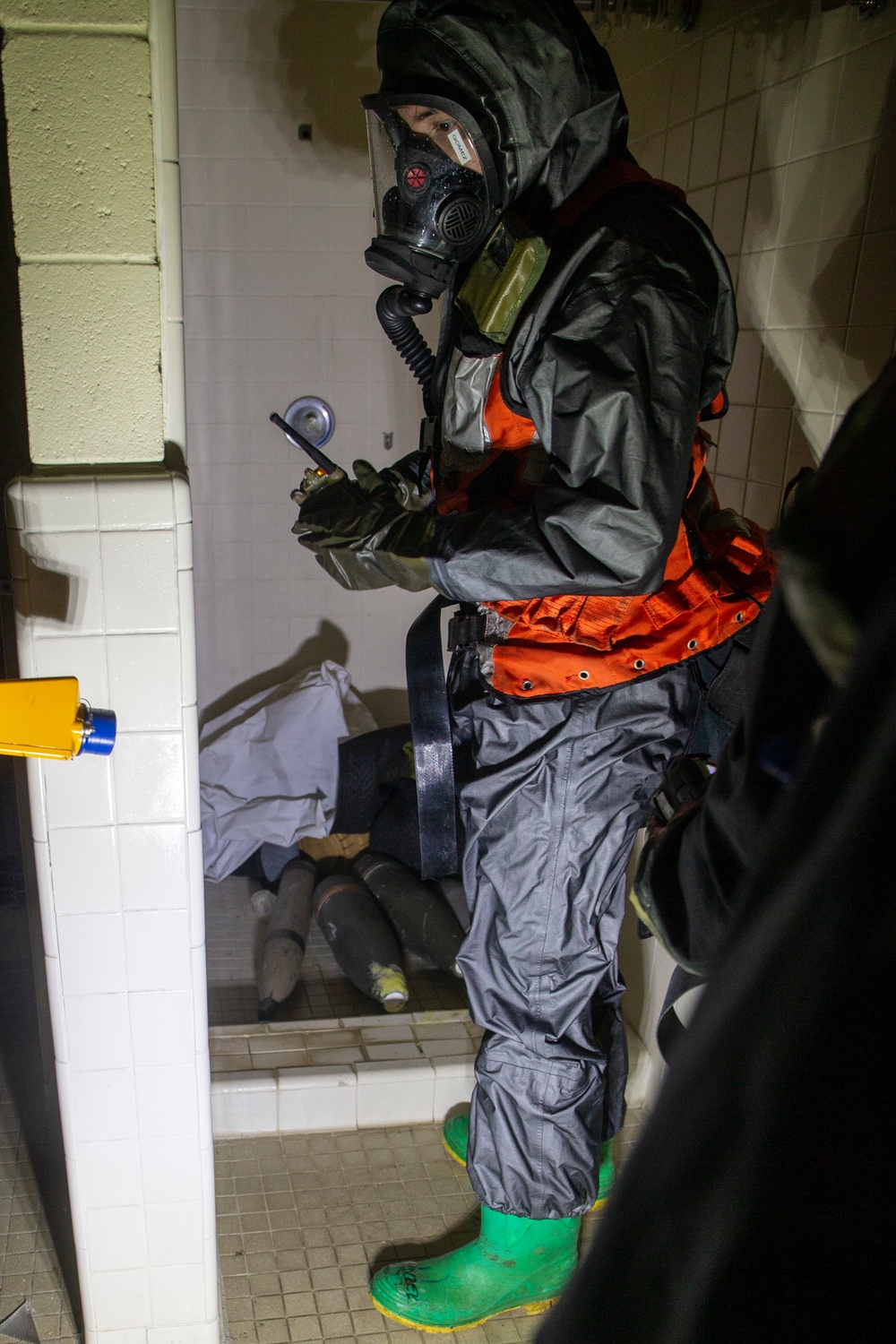
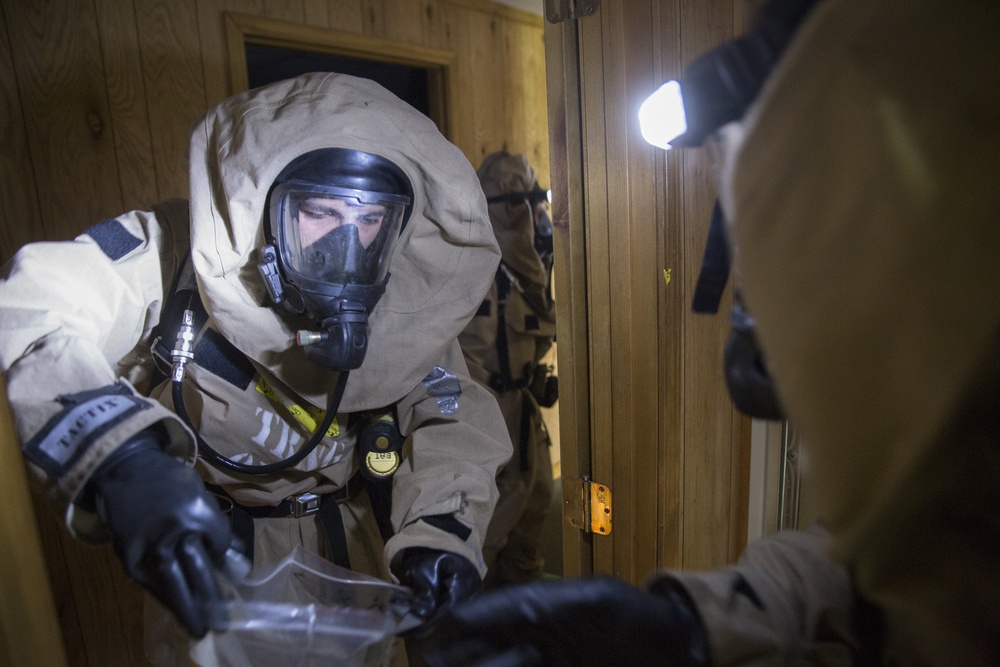
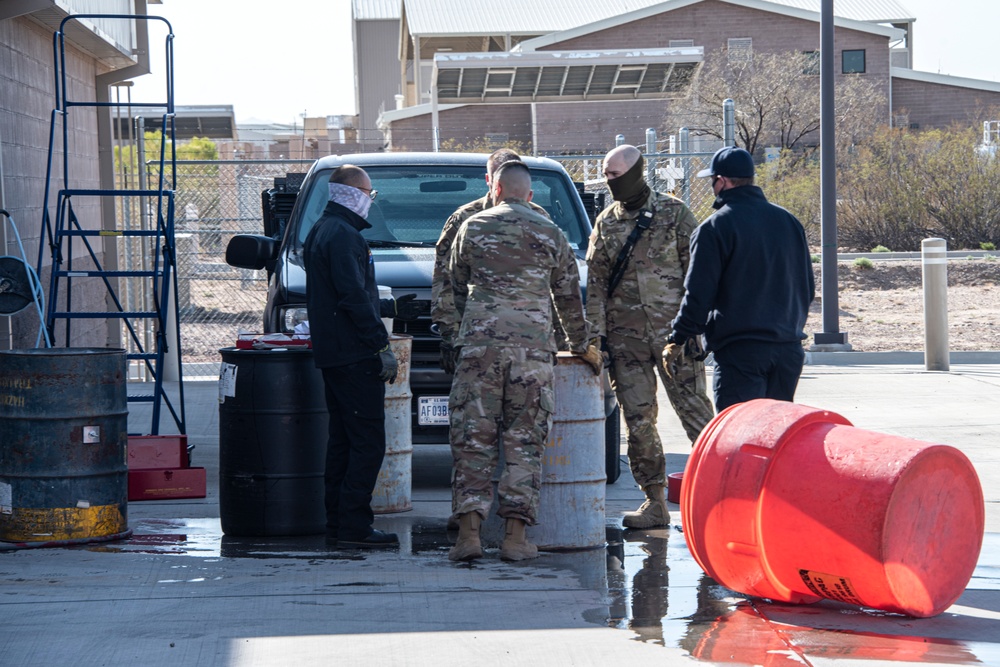
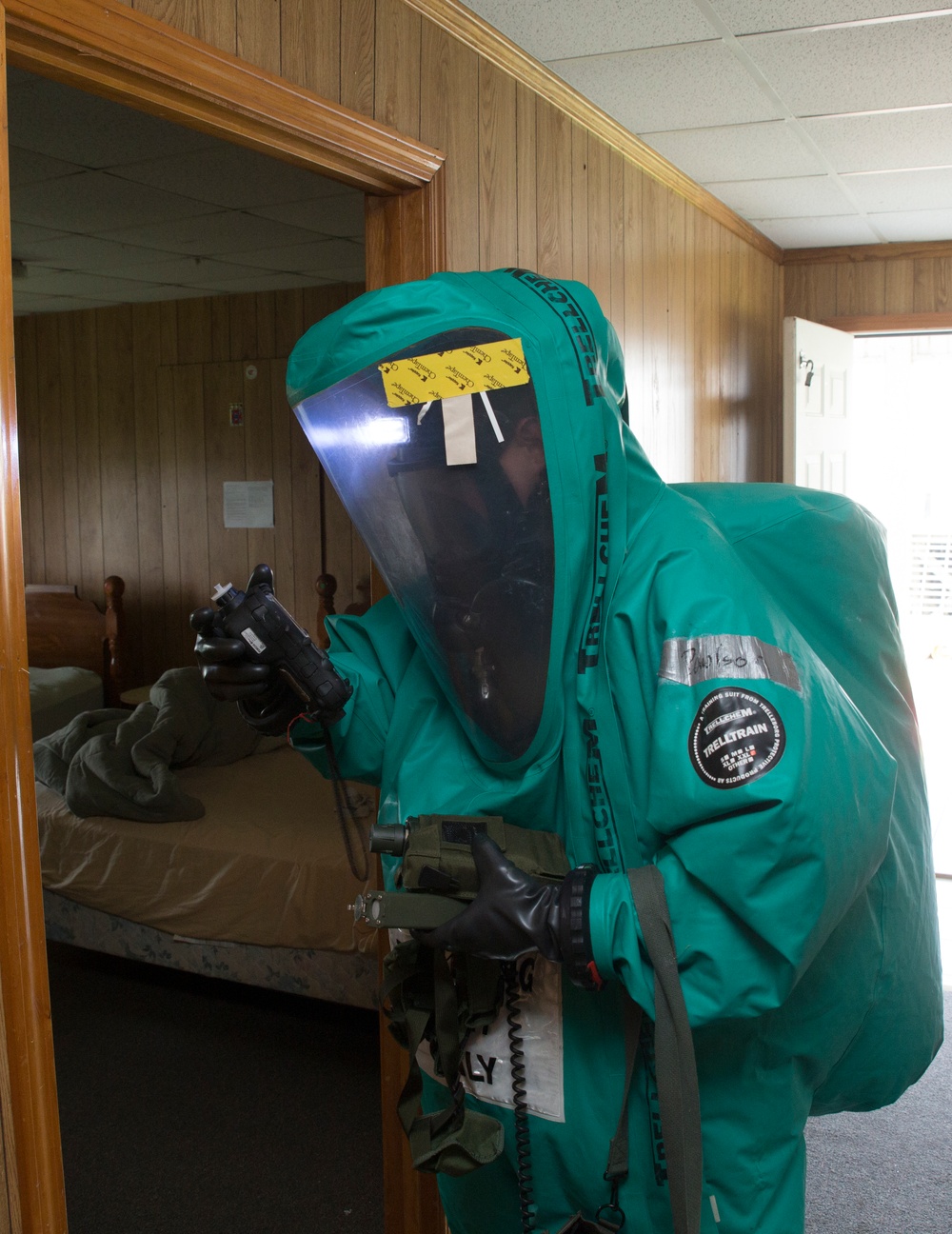
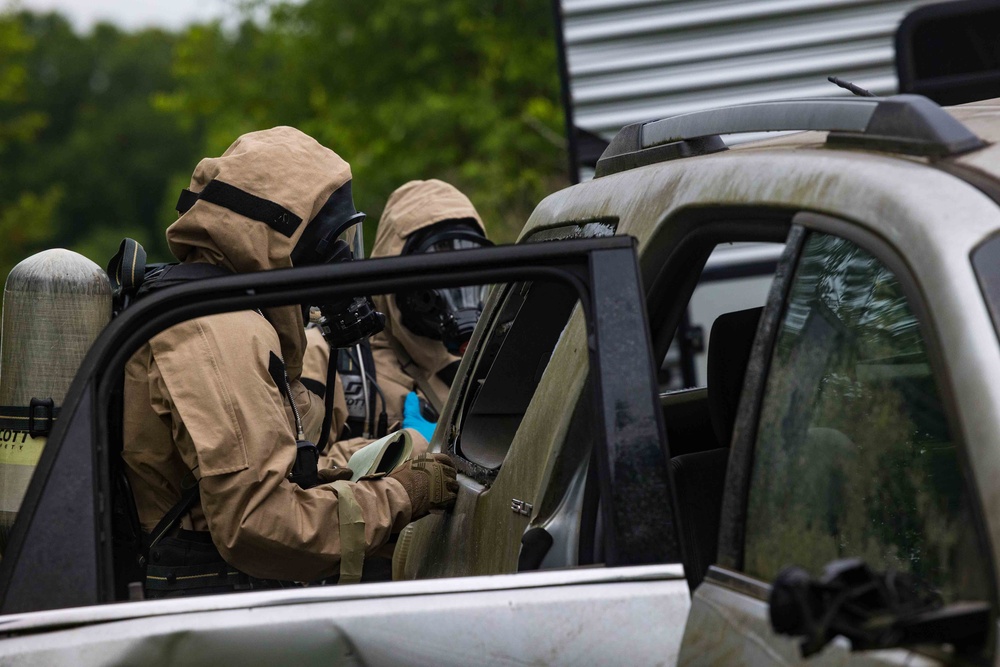
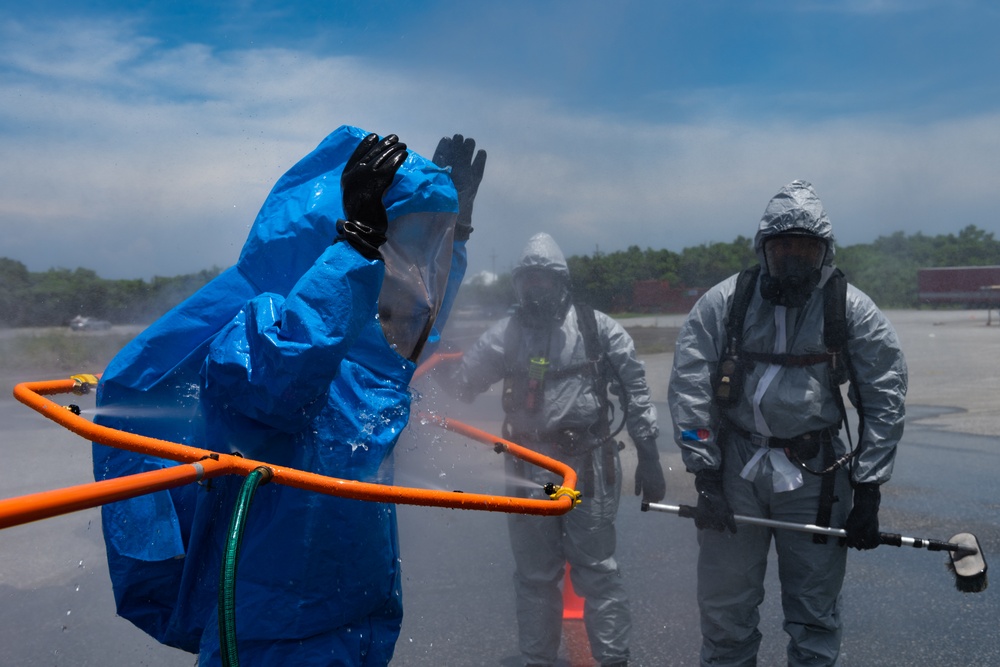
Every scenario is built on actual field conditions with authentic sensor patterns, alarm sequences, and tactical decision points.
🌬️
Fresh Air
Establish known-good baseline before entry. Confirms zero calibration — any non-zero reading in clean air means the instrument needs calibration.
⬇️
O₂ Deficiency
Simple asphyxiant atmosphere. LEL sensor becomes unreliable below 16% O₂ — catalytic bead requires oxygen to function.
💨
CO Incident
Carbon monoxide alone with flat LEL and flat VOC. PID does not respond to CO (IP 14.01 eV) — identification by sensor elimination.
🔥
Natural Gas
LEL-only pattern with zero PID response — methane IP 12.61 eV is above the 10.6 eV lamp. Ignition source protocol and evacuation triggers.
⚗️
Hydrogen Leak
H₂ cross-reads on the CO electrochemical sensor (~3:1 ratio). PID flat. Lighter than air, 4–75% flammability range — ceiling accumulation.
☣️
H₂S Signature
H₂S triggers CO, HCN, LEL, and VOC simultaneously — the classic cross-sensitivity fingerprint. Olfactory fatigue at 150 ppm.
💀
HCN Release
Hydrogen cyanide with CO cross-response. PID does not respond (IP 13.6 eV). HCN is produced in structure fires — concurrent cyanide and CO poisoning risk.
☢️
Phosphine PH₃
PH₃ triggers CO, HCN, LEL, and PID simultaneously (IP 9.87 eV). Common in fumigated cargo, grain silos, and clandestine labs. IDLH 50 ppm.
⛽
Fuel Vapor
LEL and VOC reading in parallel — petroleum fuel signature. No CO or HCN means vapor only, not combustion products. Eliminate ignition sources.
🧪
Solvent / BTEX
Very high VOC with modest LEL — signature of aromatic solvents. Benzene correction factor 0.53 on a 10.6 eV PID. Confirmed carcinogen at any level.
🔥
Fire Atmosphere
O₂ down, CO high, HCN elevated, LEL and VOC both reading. Active fire or overhaul atmosphere — SCBA mandatory, re-ignition risk remains.
🚨
Man Down
All sensors in alarm. CO 450 ppm, HCN 28 ppm, O₂ at 11.5%, LEL at 35%. Full IDLH atmosphere — rescue team protocol, SCBA mandatory, no single entry.
🧨
Red P Lab
Red phosphorus clandestine lab. PH₃ cross-reads on CO, HCN, LEL, and PID simultaneously. Heavy solvent load. Level B minimum. DEA/HAZWOPER rules apply.
🧪
Birch / One-Pot Lab
Anhydrous ammonia + lithium reaction. H₂ explosion hazard (4–75% flammability). CO reading is false positive from NH₃/H₂ cross-sensitivity — no real CO.
⚗️
Lab HCl Gassing
High HCN reading with flat LEL and flat VOC — HCl cross-reacts with the HCN electrochemical sensor. Gassing step in clandestine synthesis, not cyanide.
🏚️
Dormant Lab
Residual solvent off-gassing after the cook ends. Elevated PID with clear CO/HCN — a persistent PID reading in a building with no source is a primary clandestine lab indicator.
⚡
Ozone Release
O₃ alarm with Cl₂ cross-response artifact (~30–50%). PID does not respond (O₃ IP 12.52 eV). Common from UV curing ovens, corona discharge, ozone generators.
☁️
Chlorine Release
Cl₂ at 3.50 ppm with SO₂ cross-response artifact. PID does not respond (IP 11.48 eV). Vapor density 2.5× air — sample low. IDLH 10 ppm.
🧊
Ammonia Release
NH₃ with CO false positive from cross-sensitivity (~1:5–10 ratio). PID responds weakly. Lighter than air — sample ceiling. IDLH 300 ppm.
🛢️
Propane Leak
LEL-only with zero PID — propane IP 11.07 eV is above the lamp. Heavier than air — accumulates at grade level, in basements and floor drains.
🔋
Sulfuric Acid
SO₂ vapor from fuming acid. PID does not respond (SO₂ IP 12.32 eV). LEL zero — not flammable. Common in battery rooms, electroplating, industrial processing.
⬜
Argon Release
Simple asphyxiant, O₂-only depression. Heavier than air (VD 1.38) — pools at floor level. Common welding shielding gas. Sample low; don't trust LEL below 16% O₂.
🎈
Helium Release
Simple asphyxiant, O₂-only depression. Far lighter than air (VD 0.14) — accumulates at ceiling. Hospital MRI quench events. Sample high — opposite of argon.
🫧
CO₂ Confined Space
CO₂ displacing O₂ proportionally — each 1% CO₂ rise drops O₂ ~1%. Heavier than air. Common in fermentation tanks, dry ice areas, suppression discharges. IDLH 40,000 ppm.